Buy aquasmartdata.eu ?
We are moving the project
aquasmartdata.eu .
Are you interested in purchasing the domain
aquasmartdata.eu ?
domain@kv-gmbh.de · 0541-91531010
Buy aquasmartdata.eu ?
How do climate and vegetation determine the formation of a landscape?
Climate and vegetation play a crucial role in shaping the formation of a landscape. The climate of an area, including factors such as temperature, precipitation, and wind patterns, determines the type of vegetation that can thrive in that environment. The presence of certain types of vegetation, in turn, influences the physical characteristics of the landscape, such as soil composition, erosion patterns, and the overall appearance of the terrain. For example, in a hot and dry climate, the presence of desert vegetation like cacti and succulents can lead to the formation of a desert landscape characterized by sandy dunes and rocky outcrops. In contrast, a region with abundant rainfall and lush vegetation may have a landscape dominated by dense forests and fertile soil. **
What needs to be included in a landscape analysis?
A landscape analysis should include a thorough examination of the external environment, such as market trends, competitors, regulatory factors, and technological advancements. It should also involve an assessment of internal capabilities and resources, including strengths and weaknesses. Additionally, a landscape analysis should identify key opportunities and threats that may impact the organization's strategic decisions. Overall, a comprehensive landscape analysis should provide a holistic view of the business environment to inform strategic planning and decision-making. **

Similar search terms for Landscape formation
Top-Angebote
Products related to Landscape formation:
-
Multisell Products Hub Outdoor PIR Motion Sensor Wall Lamp For Porch, Garden, Balcony, Waterproof Landscape Lighting Outdoor PIR Motion Sensor Wall Lamp For Porch, Garden, Balcony, Waterproof Landscape LightingIlluminate Your Outdoors with Ease This wall lamp waterproof porch wall light is the perfect solution to light up your outdoor spaces while offering both style and functionality. Equipped with a PIR motion sensor, it ensures your porch, garden, or...99,97 $*Shipping: 0,00 $Secure redirect to the provider
-
Multicon Wholesale Hub Mini Vertical Float Switch Water Level Sensor For Fish Tanks Pools And Liquid Monitoring Mini Vertical Float Switch Water Level Sensor For Fish Tanks Pools And Liquid MonitoringKeep water levels exactly where you need them with this compact 1pcs water level sensor float switch built for simple, reliable monitoring. This vertical float switch is ideal for aquarium owners, DIY makers, and anyone managing tanks, pools, or...49,97 $*Shipping: 0,00 $Secure redirect to the provider
-
Uplift Essentials Solar Owl Landscape Guardian Light Solar Owl Landscape Guardian LightAdd a touch of wise, whimsical charm to your outdoor sanctuary with the solar owl landscape guardian light. This masterfully detailed garden stake features a lifelike owl silhouette that serves as a beautiful decorative piece by day and a watchful,...57,97 $*Shipping: 0,00 $Secure redirect to the provider
-
Uplift Essentials Solar Flamingo Garden Landscape Stake Solar Flamingo Garden Landscape StakeAdd a splash of vibrant, tropical charm to your outdoor space with the solar flamingo garden LED stake. This eyecatching landscape lamp features the iconic pink flamingo silhouette, reimagined as a glowing sentinel for your garden. Crafted with a...57,97 $*Shipping: 0,00 $Secure redirect to the provider




-
What is the difference between landscape and landscape ecosystem?
Landscape refers to the visible features of an area of land, including physical elements such as mountains, rivers, and forests. On the other hand, a landscape ecosystem encompasses not only the physical features of the land but also the interactions between living organisms and their environment within that landscape. It includes the relationships between plants, animals, and their surroundings, as well as the flow of energy and nutrients within the ecosystem. In essence, landscape ecosystem is a more holistic concept that considers both the physical and biological aspects of a landscape. **
-
What is the difference between landscape architecture and landscape planning?
Landscape architecture focuses on the design and planning of outdoor spaces, including parks, gardens, and urban plazas, with a focus on aesthetics, functionality, and sustainability. Landscape architects often work on specific projects, creating detailed designs and plans for outdoor spaces. On the other hand, landscape planning is a broader field that involves the strategic and holistic planning of land use, natural resources, and environmental conservation. It encompasses the assessment, analysis, and management of landscapes at a larger scale, often involving multiple stakeholders and considering long-term impacts on the environment and communities. In summary, landscape architecture is more focused on the design and aesthetics of outdoor spaces, while landscape planning involves the strategic and comprehensive planning of land use and natural resources. **
-
What is the difference between sperm formation and egg formation?
Sperm formation, or spermatogenesis, occurs in the testes of males and involves the production of sperm cells through a process of cell division and differentiation. On the other hand, egg formation, or oogenesis, occurs in the ovaries of females and involves the production of egg cells through a similar process of cell division and differentiation. The key difference between the two processes is that sperm formation results in the production of four functional sperm cells from one parent cell, while egg formation results in the production of one functional egg cell from one parent cell. Additionally, sperm formation begins at puberty and continues throughout a male's life, while egg formation begins before birth and is completed during the reproductive years. **
-
What are landscape units?
Landscape units are distinct areas within a landscape that share similar ecological, geological, and topographical characteristics. These units are defined based on factors such as soil type, vegetation, landform, and hydrology. By identifying and mapping landscape units, land managers and conservationists can better understand the diversity and dynamics of a landscape, and make informed decisions about land use and conservation strategies. This approach helps to recognize the unique features and functions of different areas within a landscape, and can guide efforts to protect and manage natural resources. **


What are landscape zones?
Landscape zones refer to different areas within a landscape that are designated for specific purposes or have distinct characteristics. These zones can include areas for recreation, conservation, agriculture, or residential development. They are often planned and managed to optimize the use of the land and to protect natural resources. By dividing a landscape into zones, it becomes easier to balance human activities with the preservation of natural ecosystems. **
What is fat formation?
Fat formation, also known as adipogenesis, is the process by which fat cells, or adipocytes, are created and accumulate in the body. This process involves the differentiation of precursor cells, such as preadipocytes, into mature adipocytes, which then store excess energy in the form of triglycerides. Fat formation is influenced by various factors, including diet, hormones, and genetics, and plays a crucial role in energy balance and metabolism. Excessive fat formation can lead to obesity and related health issues, while impaired fat formation can contribute to metabolic disorders. **
Top-Angebote
Products related to Landscape formation:
-
Northwest Operation Hat Trick Formation Faux Mink Sherpa Throw BlanketCelebrate your patriotism and support a meaningful cause with this Operation Hat Trick Faux Mink Silk Touch Sherpa Throw Blanket. This extraordinary blanket combines silky softness with plush faux mink and the cozy warmth of sherpa fabric.89,99 $*Shipping: 0,00 $Secure redirect to the provider
-
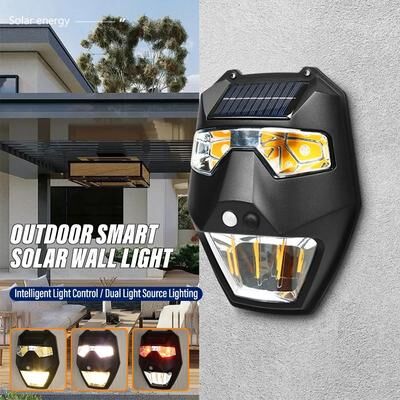
Uplift Essentials Outdoor Solar Garden Wall Light Smart Sensor Landscape Lighting Outdoor Solar Garden Wall Light Smart Sensor Landscape LightingIlluminate your homes exterior with this highefficiency Outdoor Solar Garden Wall Light, designed to blend security with aesthetic appeal. Featuring an advanced Smart Light Control system, this fixture automatically manages its energy, while the...64,97 $*Shipping: 0,00 $Secure redirect to the provider
-
Multisell Products Hub Outdoor PIR Motion Sensor Wall Lamp For Porch, Garden, Balcony, Waterproof Landscape Lighting Outdoor PIR Motion Sensor Wall Lamp For Porch, Garden, Balcony, Waterproof Landscape LightingIlluminate Your Outdoors with Ease This wall lamp waterproof porch wall light is the perfect solution to light up your outdoor spaces while offering both style and functionality. Equipped with a PIR motion sensor, it ensures your porch, garden, or...99,97 $*Shipping: 0,00 $Secure redirect to the provider
-
Multicon Wholesale Hub Mini Vertical Float Switch Water Level Sensor For Fish Tanks Pools And Liquid Monitoring Mini Vertical Float Switch Water Level Sensor For Fish Tanks Pools And Liquid MonitoringKeep water levels exactly where you need them with this compact 1pcs water level sensor float switch built for simple, reliable monitoring. This vertical float switch is ideal for aquarium owners, DIY makers, and anyone managing tanks, pools, or...49,97 $*Shipping: 0,00 $Secure redirect to the provider
-
How do climate and vegetation determine the formation of a landscape?
Climate and vegetation play a crucial role in shaping the formation of a landscape. The climate of an area, including factors such as temperature, precipitation, and wind patterns, determines the type of vegetation that can thrive in that environment. The presence of certain types of vegetation, in turn, influences the physical characteristics of the landscape, such as soil composition, erosion patterns, and the overall appearance of the terrain. For example, in a hot and dry climate, the presence of desert vegetation like cacti and succulents can lead to the formation of a desert landscape characterized by sandy dunes and rocky outcrops. In contrast, a region with abundant rainfall and lush vegetation may have a landscape dominated by dense forests and fertile soil. **
-
What needs to be included in a landscape analysis?
A landscape analysis should include a thorough examination of the external environment, such as market trends, competitors, regulatory factors, and technological advancements. It should also involve an assessment of internal capabilities and resources, including strengths and weaknesses. Additionally, a landscape analysis should identify key opportunities and threats that may impact the organization's strategic decisions. Overall, a comprehensive landscape analysis should provide a holistic view of the business environment to inform strategic planning and decision-making. **
-
What is the difference between landscape and landscape ecosystem?
Landscape refers to the visible features of an area of land, including physical elements such as mountains, rivers, and forests. On the other hand, a landscape ecosystem encompasses not only the physical features of the land but also the interactions between living organisms and their environment within that landscape. It includes the relationships between plants, animals, and their surroundings, as well as the flow of energy and nutrients within the ecosystem. In essence, landscape ecosystem is a more holistic concept that considers both the physical and biological aspects of a landscape. **
-
What is the difference between landscape architecture and landscape planning?
Landscape architecture focuses on the design and planning of outdoor spaces, including parks, gardens, and urban plazas, with a focus on aesthetics, functionality, and sustainability. Landscape architects often work on specific projects, creating detailed designs and plans for outdoor spaces. On the other hand, landscape planning is a broader field that involves the strategic and holistic planning of land use, natural resources, and environmental conservation. It encompasses the assessment, analysis, and management of landscapes at a larger scale, often involving multiple stakeholders and considering long-term impacts on the environment and communities. In summary, landscape architecture is more focused on the design and aesthetics of outdoor spaces, while landscape planning involves the strategic and comprehensive planning of land use and natural resources. **
Similar search terms for Landscape formation
-
Uplift Essentials Solar Owl Landscape Guardian Light Solar Owl Landscape Guardian LightAdd a touch of wise, whimsical charm to your outdoor sanctuary with the solar owl landscape guardian light. This masterfully detailed garden stake features a lifelike owl silhouette that serves as a beautiful decorative piece by day and a watchful,...57,97 $*Shipping: 0,00 $Secure redirect to the provider
-
Uplift Essentials Solar Flamingo Garden Landscape Stake Solar Flamingo Garden Landscape StakeAdd a splash of vibrant, tropical charm to your outdoor space with the solar flamingo garden LED stake. This eyecatching landscape lamp features the iconic pink flamingo silhouette, reimagined as a glowing sentinel for your garden. Crafted with a...57,97 $*Shipping: 0,00 $Secure redirect to the provider
-
Uplift Treasures Japanese Landscape Wooden Coaster Set Japanese Landscape Wooden Coaster SetProduct Description: Add a touch of elegance to your table with this beautifully crafted 6piece wooden coaster set featuring serene Japanese landscape designs. Stylish, practical, and durable, it protects your surfaces while enhancing your home or...42,97 $*Shipping: 0,00 $Secure redirect to the provider
-
Uplift Essentials Quartz Shape Micro Landscape Glass Terrarium Quartz Shape Micro Landscape Glass TerrariumBring a touch of modern nature into your living space with this striking Quartz Shape Micro Landscape Glass Terrarium. This geometric terrarium serves as a sophisticated glass flower room, perfect for housing a moss planter tank or creating a unique...128,97 $*Shipping: 0,00 $Secure redirect to the provider
-
What is the difference between sperm formation and egg formation?
Sperm formation, or spermatogenesis, occurs in the testes of males and involves the production of sperm cells through a process of cell division and differentiation. On the other hand, egg formation, or oogenesis, occurs in the ovaries of females and involves the production of egg cells through a similar process of cell division and differentiation. The key difference between the two processes is that sperm formation results in the production of four functional sperm cells from one parent cell, while egg formation results in the production of one functional egg cell from one parent cell. Additionally, sperm formation begins at puberty and continues throughout a male's life, while egg formation begins before birth and is completed during the reproductive years. **
-
What are landscape units?
Landscape units are distinct areas within a landscape that share similar ecological, geological, and topographical characteristics. These units are defined based on factors such as soil type, vegetation, landform, and hydrology. By identifying and mapping landscape units, land managers and conservationists can better understand the diversity and dynamics of a landscape, and make informed decisions about land use and conservation strategies. This approach helps to recognize the unique features and functions of different areas within a landscape, and can guide efforts to protect and manage natural resources. **
-
What are landscape zones?
Landscape zones refer to different areas within a landscape that are designated for specific purposes or have distinct characteristics. These zones can include areas for recreation, conservation, agriculture, or residential development. They are often planned and managed to optimize the use of the land and to protect natural resources. By dividing a landscape into zones, it becomes easier to balance human activities with the preservation of natural ecosystems. **
-
What is fat formation?
Fat formation, also known as adipogenesis, is the process by which fat cells, or adipocytes, are created and accumulate in the body. This process involves the differentiation of precursor cells, such as preadipocytes, into mature adipocytes, which then store excess energy in the form of triglycerides. Fat formation is influenced by various factors, including diet, hormones, and genetics, and plays a crucial role in energy balance and metabolism. Excessive fat formation can lead to obesity and related health issues, while impaired fat formation can contribute to metabolic disorders. **
* All prices are inclusive of VAT and, if applicable, plus shipping costs. The offer information is based on the details provided by the respective shop and is updated through automated processes. Real-time updates do not occur, so deviations can occur in individual cases. ** Note: Parts of this content were created by AI.